Protection today means being prepared for risks we can't always see. In a world where any drug can contain hidden dangers, keeping our families and communities safe requires knowledge, compassion, and practical tools. This page is about resilience—creating safer, stronger communities for everyone by normalizing preparation, sharing clear guidance, and making lifesaving resources like Naloxone, lockboxes, and overdose response education accessible to all. Because being prepared doesn't mean you expect the worst—it means you care.

The mission of the Hope Collaborative is to develop and implement comprehensive, compassionate strategies that inform and educate, while reducing stigma and ensuring access to care for those with a sustance use disorder. Our shared commitment to this critical work will save lives and create a safer, healthier future for Dauphin County residents.

Harm reduction focuses on keeping people safe and alive—without judgment. By providing education, resources, and clear guidance on how to respond to an overdose, we help individuals, families, and communities reduce harm, prevent deaths, and connect people to support when they're ready. Knowing what to do in an emergency can save a life and strengthen the health and safety of our community.

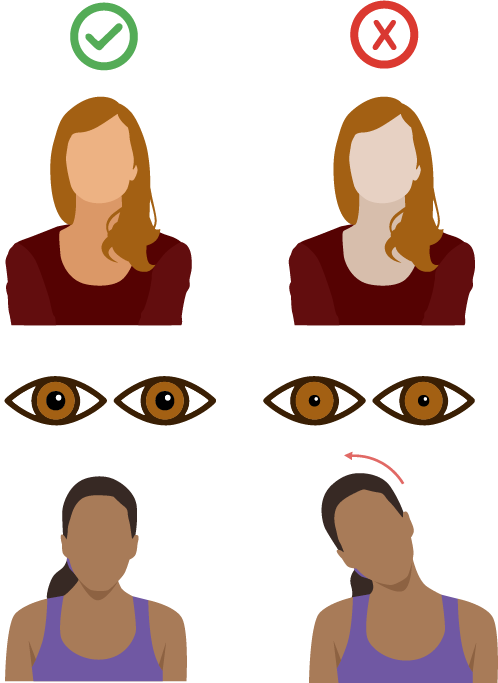
If someone is showing signs of an overdose, such as slow or stopped breathing, blue or gray lips or fingernails, choking or gurgling sounds, or not responding to voice or touch, act right away. An overdose is a medical emergency, and quick action can save a life.
If you're unsure, it's always safer to respond.

Try to wake the person. If they don't respond, call emergency services.

If you have naloxone, give it right away. Repeat if needed.
Multiple doses may be required.

If breathing is slow or stopped, give rescue breaths until help arrives.

Place them on their side in the recovery position and stay with the person until emergency help arrives.

Overdoses can happen anywhere—including workplaces, public spaces, and community settings. The online training below can equip businesses and organizations with the knowledge and confidence to recognize the signs of an opioid overdose and respond quickly and effectively. Participants learn how to use naloxone, support breathing, and take action in an emergency—helping create safer, more prepared workplaces and communities.